

Preparing for a job interview can feel stressful. You want to impress the employer, answer questions confidently, and leave a lasting positive impression. But the good news is, with proper preparation, you can walk in feeling calm, confident, and ready to succeed. Let’s break down step by step how to get ready for your next big interview.
Research the Company Thoroughly
One of the first and most important steps is learning about the company. Don’t just skim their website. Take time to understand their mission, values, culture, products, and services. Look for recent news about them, read reviews, and check their social media profiles. Knowing this information shows your genuine interest and can give you an edge when answering questions like: “Why do you want to work here?”
Know the Job Description Inside Out
Carefully read the job description and identify the key skills and qualifications required. Make a list of how your experience matches these requirements. Prepare examples from your past work that demonstrate these skills. Employers love candidates who can clearly connect their abilities to the role.
Prepare Your Answers to Common Questions
While you can’t predict every question, some are very common. Questions like:
-
Tell me about yourself.
-
Why do you want this job?
-
What are your strengths and weaknesses?
-
Describe a challenge you faced and how you handled it.
Prepare clear, concise, and honest answers. A helpful method is the STAR technique (Situation, Task, Action, Result) to structure your responses for experience-based questions.
| Question Type | How to Answer | Tip |
|---|---|---|
| Strengths | Pick 2–3 that match the job | Give real examples |
| Weaknesses | Be honest but show improvement | Avoid critical flaws |
| Experience | Use STAR method | Keep it concise |
| Motivation | Connect to company values | Show enthusiasm |
Practice Makes Perfect
Practice speaking your answers aloud. You can do this in front of a mirror, record yourself, or ask a friend to role-play as the interviewer. This helps you get comfortable with your words, tone, and body language. Avoid memorizing word-for-word—it can sound robotic. Instead, aim for a natural, conversational flow.
Prepare Questions to Ask the Interviewer
At the end of most interviews, you’ll get a chance to ask questions. This is your moment to show curiosity and engagement. Ask about the company culture, team structure, or future growth opportunities. Avoid questions about salary at the first interview unless the interviewer brings it up.
Dress Appropriately
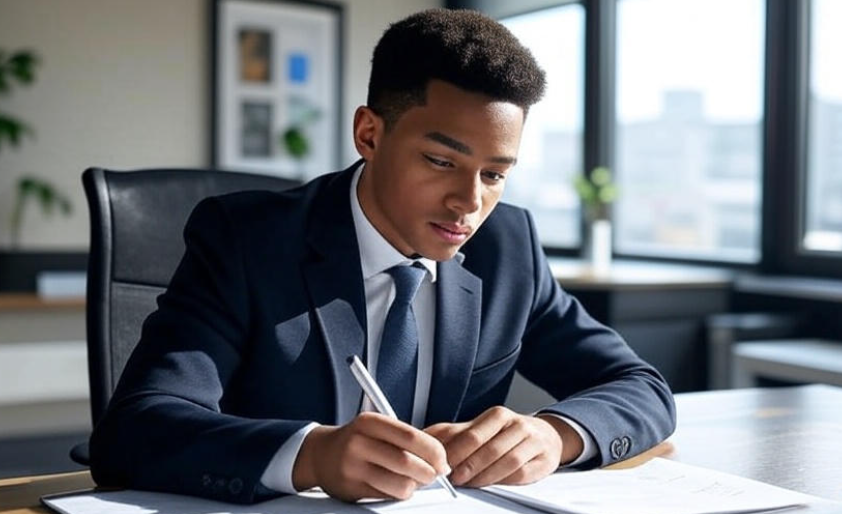
Your appearance matters. Choose professional attire that fits the company culture. When in doubt, it’s better to be slightly overdressed than underdressed. Ensure your clothes are clean, ironed, and fit well. Don’t forget personal grooming—hair, nails, and minimal accessories. First impressions count.
Mind Your Body Language
Your body language can speak louder than your words. Here are key tips:
-
Sit up straight and maintain eye contact.
-
Offer a firm handshake.
-
Avoid fidgeting or crossing arms defensively.
-
Smile naturally—it shows friendliness and confidence.
Prepare Your Documents
Bring multiple copies of your resume, a list of references, and any certificates or portfolios relevant to the job. Keep them neatly organized in a folder or professional portfolio. Even if they already have your resume, having extra copies shows preparedness.
Practice Your Elevator Pitch
An elevator pitch is a 30–60 second summary of who you are, your background, and what you offer. It’s useful when the interviewer asks, “Tell me about yourself.” Keep it concise, confident, and engaging. Practice until it feels natural but not rehearsed.
Understand the Interview Format
Different companies use different interview formats—phone interviews, video interviews, panel interviews, or technical tests. Know the format beforehand so you can prepare accordingly:
-
Phone interview: Find a quiet place, speak clearly.
-
Video interview: Check lighting, camera angle, and background. Test your microphone.
-
Panel interview: Address each panel member, stay engaged, and maintain composure.
-
Technical or skills test: Review relevant knowledge, practice sample problems, or prepare a portfolio of work.

How to Prepare for a Successful Job Interview
Manage Stress and Anxiety
Interviews can make anyone nervous. A little anxiety is normal—it shows you care. To manage stress:
-
Practice deep breathing before entering.
-
Visualize a successful interview.
-
Go for a light walk to release tension.
-
Remember, the interviewer wants you to succeed—they’re looking for a good match.
Arrive on Time
Plan to arrive at least 10–15 minutes early. Being late can create a negative first impression. If it’s a virtual interview, log in a few minutes early and check your internet connection, camera, and microphone.
Follow-Up After the Interview
After the interview, send a polite thank-you email to express gratitude for the opportunity. Mention a key point discussed in the interview and reiterate your interest in the role. This small gesture can leave a lasting impression.
Unique Tips for a Competitive Edge
-
Use stories: People remember stories better than facts. Share short anecdotes to illustrate your skills.
-
Mirror the interviewer subtly: Match tone, energy, and style subtly—it creates rapport.
-
Highlight achievements quantitatively: Whenever possible, use numbers, percentages, or specific results. For example: “Increased sales by 25% in six months.”
-
Prepare for curveball questions: Interviewers sometimes ask unusual questions like: “If you were a superhero, which power would you choose?” Use them to showcase creativity and personality.
Sample Table: Day-before Interview Checklist
| Task | Status |
|---|---|
| Review company profile | ✅ |
| Practice answers aloud | ✅ |
| Prepare questions for interviewer | ✅ |
| Choose and iron outfit | ✅ |
| Pack documents and portfolio | ✅ |
| Sleep early | ✅ |
FAQs About Job Interviews
Q1: How long should I practice before the interview?
A: Ideally, start 1–2 weeks in advance. Practice daily for 20–30 minutes. This builds confidence and reduces anxiety.
Q2: Should I research the interviewer too?
A: Yes. LinkedIn profiles can give insights about their role, interests, and work style. This helps you connect better during the interview.
Q3: How do I handle a question I don’t know?
A: Be honest, but frame it positively. For example: “I haven’t worked directly with that, but I am eager to learn and I have experience in related areas.”
Q4: What if I get nervous and stumble?
A: Pause, take a breath, and continue. Small mistakes are normal. Interviewers notice composure and recovery more than minor slips.
Q5: Is it okay to talk about salary in the first interview?
A: Usually, no. Focus on learning about the role and company. Wait until the employer brings it up or during later interview rounds.
Conclusion
Preparing for a job interview is not just about memorizing answers—it’s about presenting your best self with confidence, clarity, and authenticity. By researching the company, understanding the job, practicing responses, and paying attention to body language, you create a strong impression that can set you apart from other candidates.
Looking for easy tricks to remember what you learn? Smart Study Habits to Boost Your Memory.
Remember, an interview is a two-way conversation. You are also assessing if the company is the right fit for you. Approach it with preparation, positivity, and a mindset of curiosity.
With these strategies, you can walk into your next interview calm, confident, and ready to succeed.